 On sipping my coffee today I wonder if there are any positive effects of caffeine at all? On some research, I did find out, if you consume appropriately there are benefits of caffeine that you didn’t think of. What about caffeine and athletes? Are there any negative effects of caffeine on athletes? Let’s find out!
Based on my research by Jay Cannon shows that the average amount of caffeine consumed by citizens in the US on a daily basis is at an approximate of 300 mg. That is well about two to four cups per person. It also shows that at least 80% of the US population consumes some sort of caffeine every day.
As an athlete, stamina and endurance is the most critical part of a successful career. Better parts of research show the intake of caffeine could have both positive and negative effects on athletes.
The state of the human body very well determines how well the body functions. For athletes, the body state is of paramount importance to ensure a 100% performance.
But it seems like the intake of caffeine has proved to be needful at some point of every athlete’s career. Hence it is deemed worthwhile to understand the positive and negative effects of caffeine.
What Is Caffeine Made Of Actually?

Caffeine is an alkaloid (C8H10N4O2) and natural stimulant most commonly found in tea, coffee, and cacao plants. It is a central nervous system stimulant of the methylxanthine class.
Caffeine is the world’s most widely consumed psychoactive drug, helping one to stay alert and preventing the onset of tiredness. It is present in over sixty plants, including coffee beans, tea leaves, and kola nuts.
Positive effects of caffeine on athletes
Let’s get know the positive effects or the benefits of caffeine for athletes.
1. Enhanced endurance
The administration of caffeine at a near perfect dosage has sometimes proved to be the very difference between winning and losing. Especially in sporting events that involve strenuous activities over a long period of time.
Long distance cyclists, marathon racers and athletes involved in cross-country racing usually benefit from the use of caffeine or caffeine-containing energy drinks to improve endurance over the full course of the event.
 |
| source : google image |
2. Strength Performance
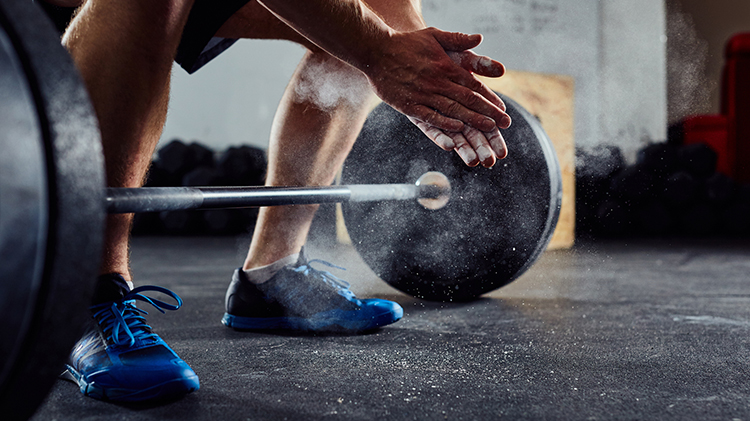
One of the significant benefits of caffeine for athletes is the strength and endurance. It has also improves physical performance in power related sporting activities.
In addition to increased strength performance effect well known to be available on short-term, usually the first 15 minutes, caffeine has been found to help mobilize fat stores. Caffeine enables the body use fat as its primary fuel source. By using fat as fuel, the human body spares glycogen. Th glycogen is an additional fuel source found in the liver and muscles.
 |
| source : google image |
3. Better Reaction (alertness) and Recovery
One of the most common reasons for the use of caffeine is alertness effect. In almost all cases, caffeine acts as a central nervous system stimulant, which can cause a noticeable impact on alertness when it reaches the brain. The effect makes the athlete feel more alert and less tired through a sporting event.
Caffeine has also been discovered to be used to help speed up the recovery process of athletes and keep them ready for the next day’s work.
Negative effects of caffeine on athletes
1. Addiction of caffeine
The first noticeable and pervasive effect of the intake of caffeine on athletes or any sportsperson is the addiction. On most occasions, athletes have been recorded to become so dependent on the stimulating effect of the alkaloid that they can no longer do without it.
Most times, frequent and excessive consumption of energy drinks with a high percentage of caffeine content could trigger a minor level of an addictive process for some athletes.Research shows that frequent ingestion of the stimulant triggers certain brain chemicals which reacts in a way similar to cocaine on its addicts.
This chemical causes a sort of dependency which despite not being as dangerous as drug addiction, still possess a danger to the athlete in question.
 |
| source : google image |
2. Fatigue and dizziness
For athletes, most of the time caffeine acts as a stimulant and boosts energy to stay in charge for a longer period during performances. But on the long run, over consuming can cause fatigue.
Alongside causing fatigue, it is also causes a certain level of dizziness especially when it eventually begins to wear off from the user.
This dizzy effect has been linked to the reaction processes. It occurs in cases where the goal is to stay alert for an unusually long period.
3. Muscle breakdown and skeletal effects
Muscle breakdown is a very rare effect found on athletes, especially those not used to the intake of caffeine.
Massive consumption in a short period could lead to a rare case of rhabdomyolysis in which damaged muscle fibers enter the bloodstream. This can cause kidney failure and a few other problems.
Ingestion of enormous amount may interfere with absorption and metabolism of calcium, and this can contribute to bone thinning according to medical researches and report.
4. General body discomfort
As an athlete, keeping the body healthy and in great shape is key to a successful career. If that’s the case, then the intake of caffeine is to be kept in check. Because research shows it could lead to several unforeseen body discomforts.
The consumption of caffeine for the above body ranges could lead to body discomforts like headaches, diarrhea and severe stomach upset.


new knowledge for me. Thanks admin.
ReplyDelete